
The Isle of Man has been a UNESCO Biosphere Reserve since 2016 – one of only a handful of places in the world where the entire territory holds that status. The designation covers 572 km² of land and over 4,000 km² of surrounding Irish Sea. It’s a remarkable commitment. But until now, there hasn’t been a single place where you could actually see the Island’s biodiversity data brought together in one view.
That’s what we’ve built.
1.5 million records, one observatory
The Biosphere Observatory, part of our Smart Island platform, aggregates species occurrence data from GBIF and the NBN Atlas into a searchable, visual interface. The numbers are substantial: over 1.5 million species records across 22 taxonomic groups, including 864,000 bird sightings drawn from the Calf of Man Bird Observatory, BTO surveys, and citizen scientists.
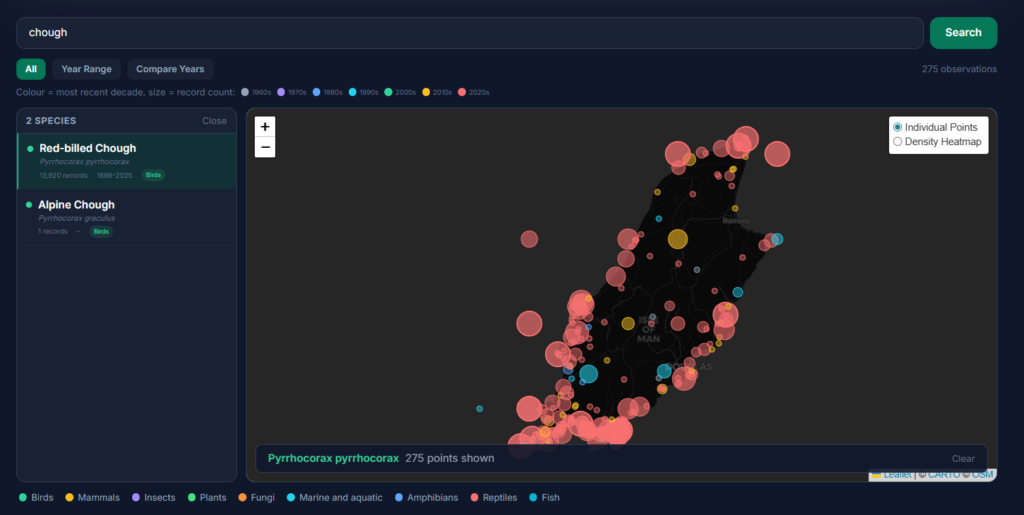
Users can search by species, group, family, or location. Every species page shows seasonal patterns, year-over-year recording trends, and distribution across the Island. You can look up the Herring Gull (the most recorded species, at 22,782 records) or check whether Common Frog activity is tracking with its usual late-winter emergence. It’s the kind of thing that was previously scattered across multiple databases and academic portals – now it’s in one place, in plain English.
The Curlew, the Chough, and why charting sightings matters
We should be clear about what the data shows. We’re not tracking nesting patterns or population counts directly – we’re charting when and where people record seeing a species. That distinction matters, but the data is still powerful. Recording trends over time reveal whether observer effort is increasing, whether species are appearing in new areas, or whether sightings are declining in places they were once common.
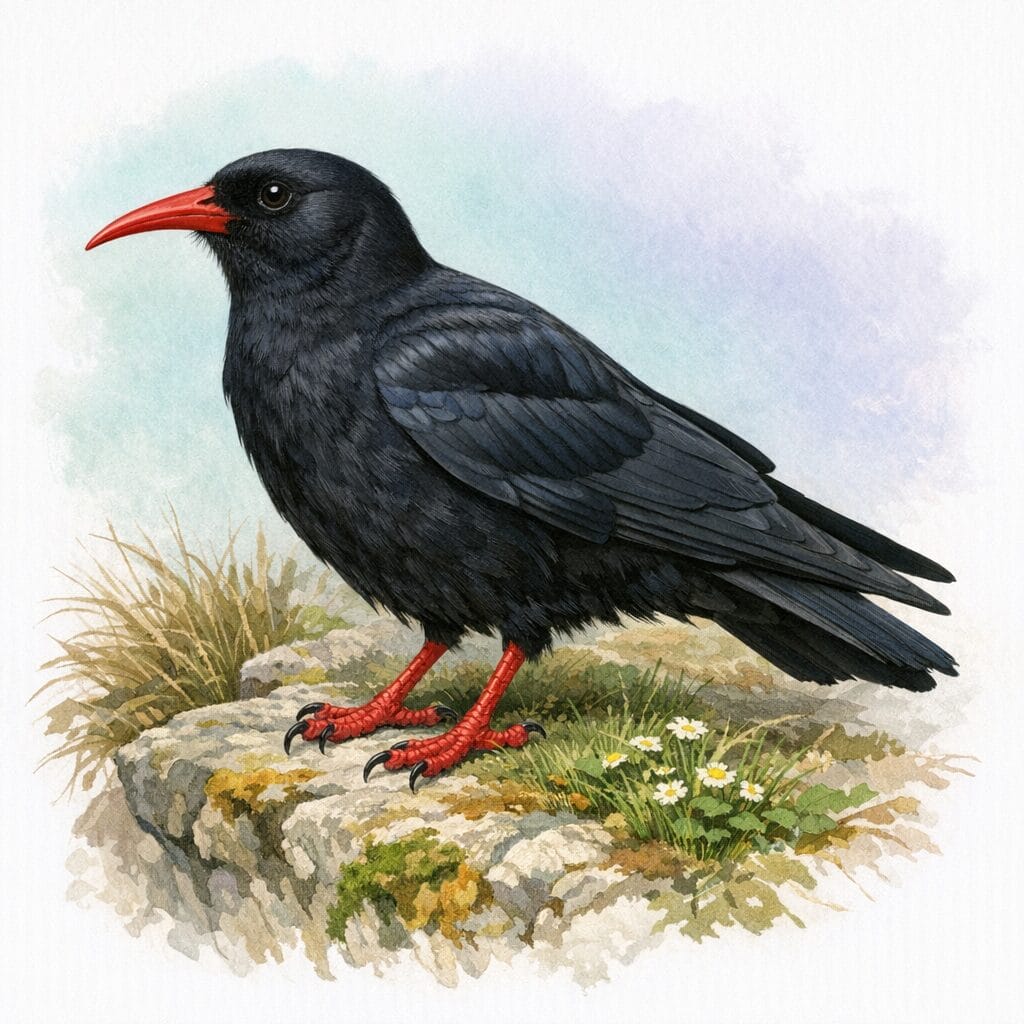
The Red-billed Chough – the Island’s national bird – has over 13,900 records in the dataset. Its presence is an indicator of healthy coastal grassland. The Curlew, a species of conservation concern across the British Isles, can be tracked through recorded sightings over the years. These aren’t abstract numbers. They connect directly to land management decisions, conservation priorities, and the Island’s Biosphere commitments.
Live sensors and seasonal intelligence
The observatory also connects to the MTG IoT network – live environmental sensors will track rainfall and solar radiation across the Island. Over time, cross-referencing sensor data with species records could reveal patterns that aren’t visible in either dataset alone: does amphibian breeding activity correlate with rainfall spikes? Are flowering times shifting as conditions change? What is the impact of urban development?
We’ve also built a seasonal wildlife calendar – a month-by-month guide to what you might expect to see on the Island – and used AI to generate illustrations of Manx wildlife to make the data more accessible and browsable.
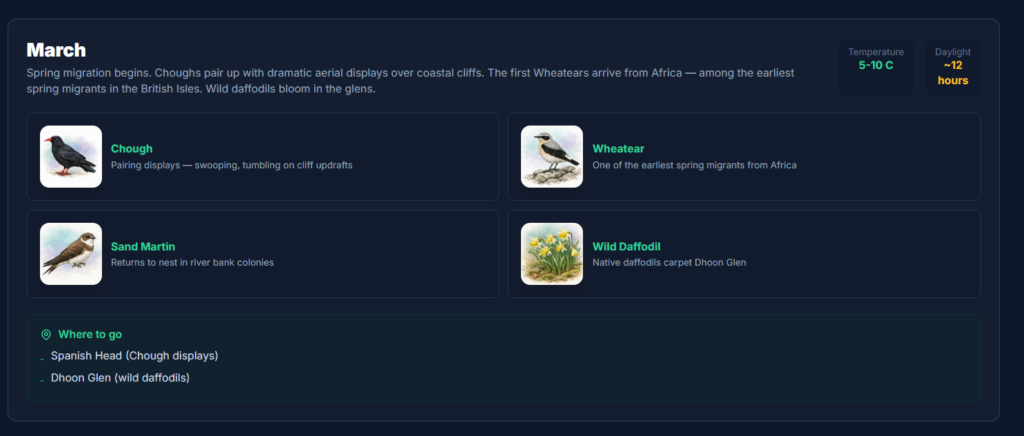
An AI Biosphere Advisor runs weekly, pulling together species data, weather conditions, and seasonal context into a single narrative. This month’s report flagged the first Common Frog records of the year, the emergence of Lesser Celandine, and a notable drop in March recording activity compared to previous years – a prompt for the citizen science community to get out and log what they’re seeing.
How we built it
The technical story is part of the point. The entire Biosphere Observatory was built using Claude AI, with direction and infrastructure from our team. The AI agent ingested the GBIF and NBN Atlas datasets, generated the species pages, created the distribution maps, wrote the seasonal calendar, and produced the wildlife illustrations.
It’s part of the broader Smart Island platform – over 92,000 lines of code, all AI-written, covering everything from the labour market to broadband speeds. In total, there are now several million rows of data within the platform.
“We built it this way deliberately. If a small team on the Isle of Man can stand up a biodiversity observatory in a week using AI, that says something about what’s now possible – not just for tech companies, but for conservation groups, government departments, and community organisations with limited resources.”
That’s the kind of thinking we bring to our client work too. Manx Technology Group provides managed IT, AI strategy, and automation services to businesses across the Island – Smart Island is where we test and demonstrate those capabilities in the open.
A work in progress
The observatory is live, free, and evolving. We’re adding data continuously – new species groups, richer marine data, more sensor coverage. It’s not finished, and it’s not meant to be. The goal is a living resource that grows alongside the Island’s Biosphere commitments, built on open data and available to everyone.
Explore the Biosphere Observatory at smartisland.im/biosphere